Kona Beaches
1. Kahaluʻu Beach Park
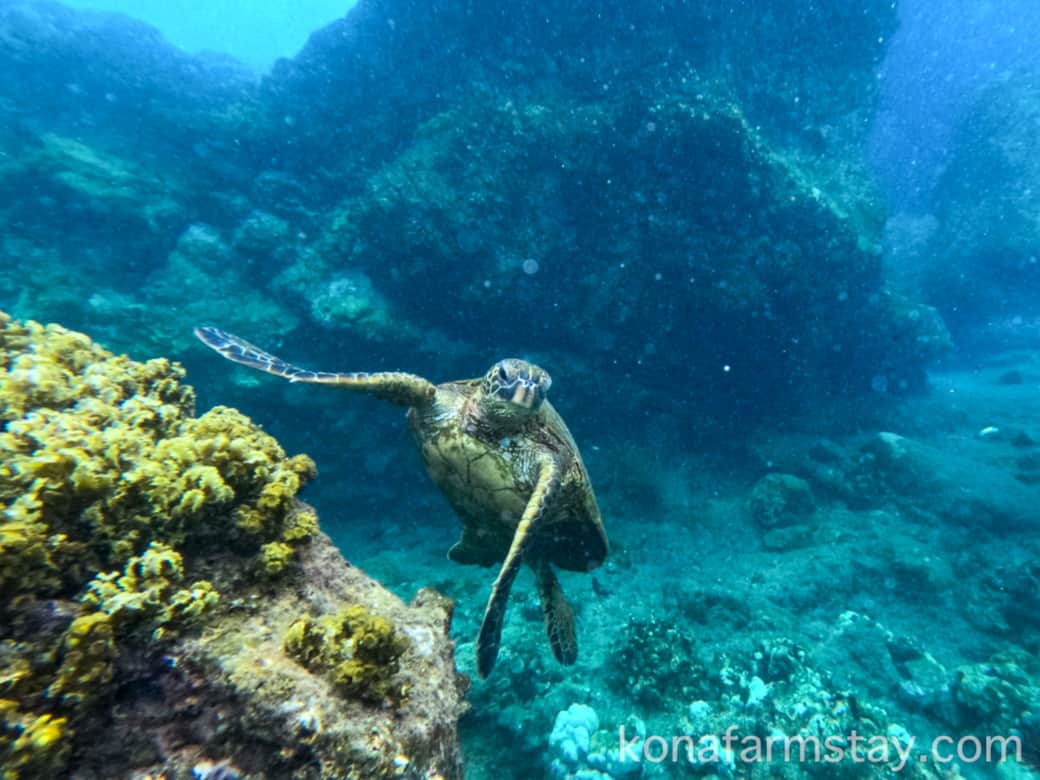
Kahaluʻu is one of the most consistent snorkel spots in the Kona area because the bay sits behind a reef, which can soften the water on calmer days. It’s also well known for honu [Hawaiian green sea turtles] that regularly cruise the shoreline.
It’s a county beach park with the basics on-site [parking, restrooms, etc.], and it’s popular, so it can feel busy during the middle of the day.
2. Kua Bay
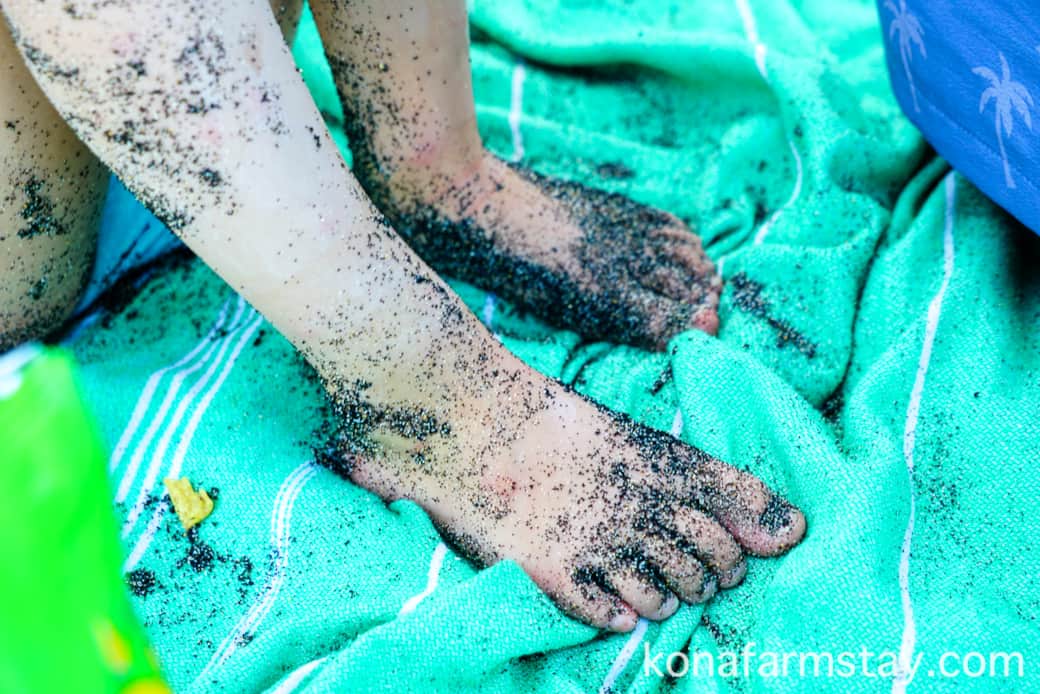
What it’s known for: Bright white sand, clear water, and that classic Kona coastline look. It’s one of the most iconic beach stops in Kekaha Kai State Park.
Good to know: This beach is part of Kekaha Kai [Kona Coast] State Park, which is more wild than developed. Conditions here can change quickly, and there’s no drinking water in the park.
3. Makalawena
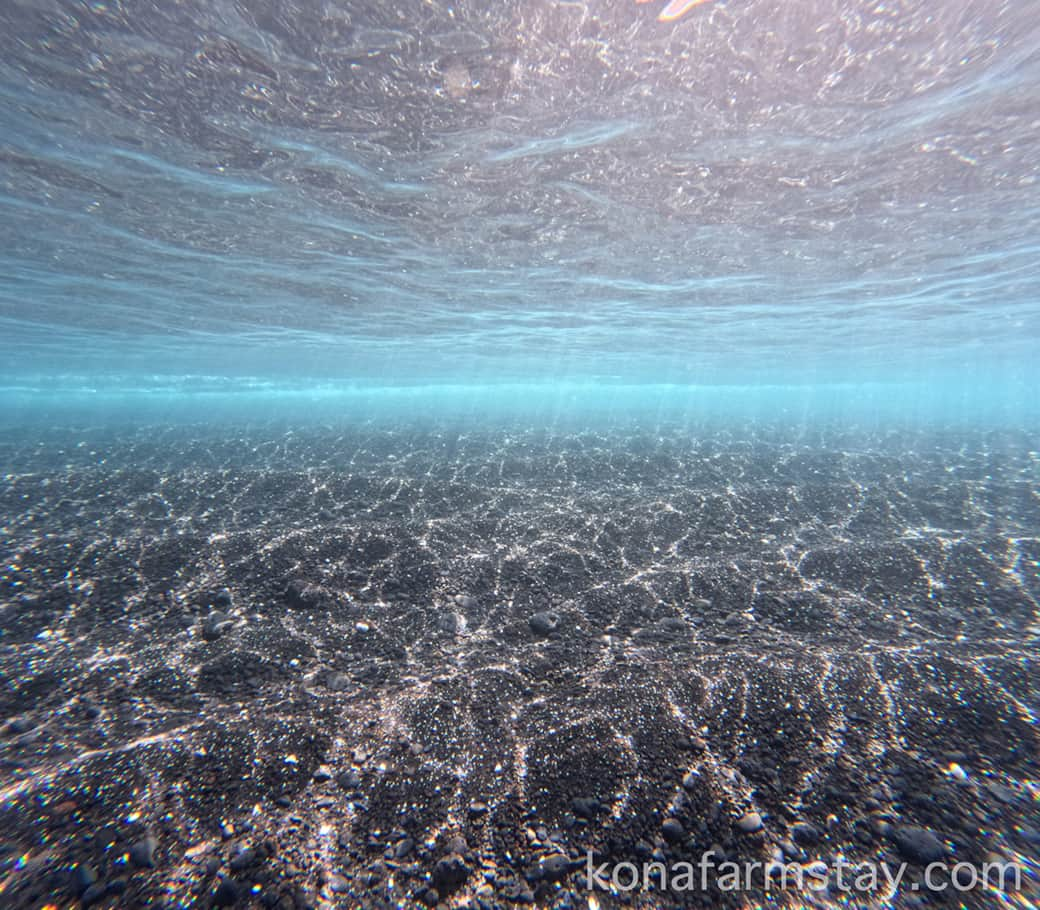
What it’s known for: One of the most beautiful white-sand stretches on the Kona side, with a more remote feel because you have to earn it a little. The approach crosses lava rock and dunes before you hit the beach.
Good to know: This is Kekaha Kai State Park. It’s typically hot and dry with no drinking water, and there aren’t services out there, so it stays more wild than developed beach day. Bring loads of water.
4. Green Sand Beach
What it’s known for: A rare green-sand beach. The color comes from olivine crystals weathering out of volcanic material, which is why the sand has that green tint.
Good to know: This is on the Kaʻū side near South Point (not Kona). It’s remote, exposed, and there aren’t services at the beach.
5. Magic Sands Beach Laʻaloa Bay
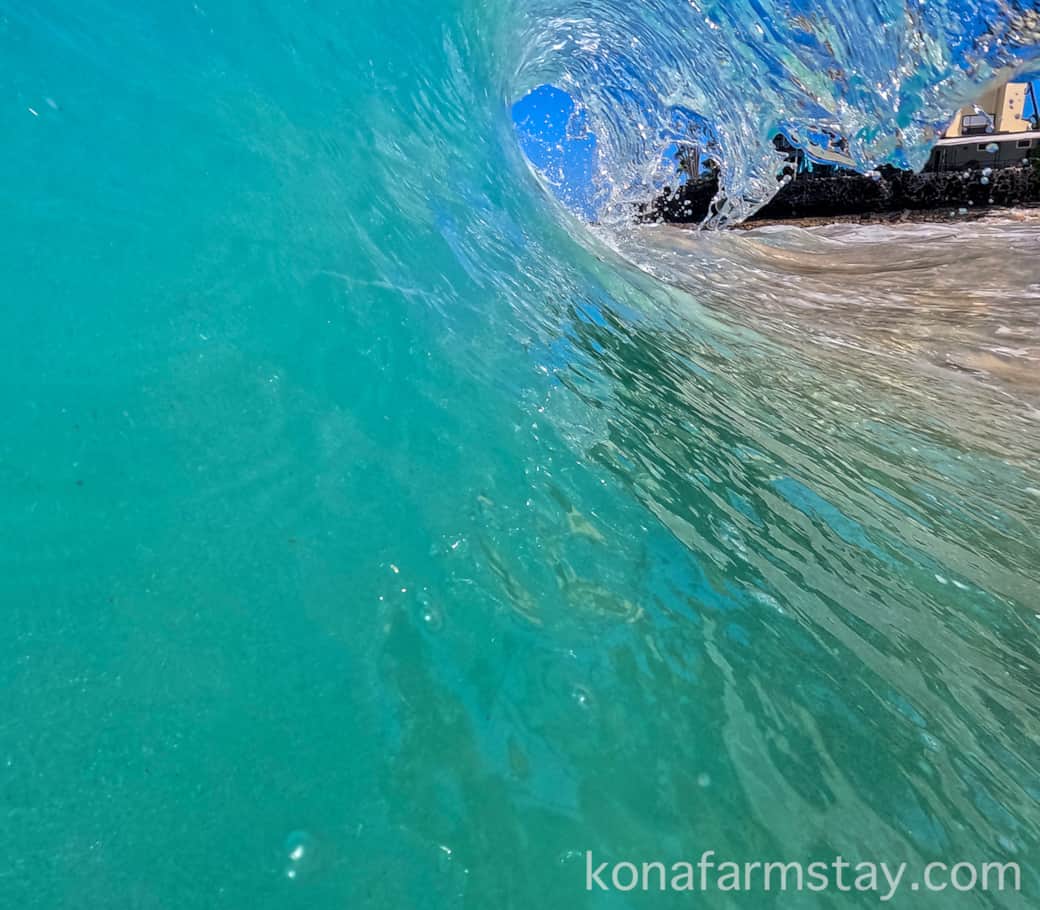
Magic's is known for: This is the classic Kona “play in the waves” beach when the ocean cooperates. It’s one of the few true sandy pockets right on Aliʻi Drive, and it’s a favorite for bodysurfing and bodyboarding. The beach is also famous for the “disappearing sand” thing: in higher surf (often winter), the sand can wash out and the shoreline turns rocky, then it returns when conditions mellow out.
Good to know: It’s a small beach and it gets popular. Shorebreak can be pound here, so the vibe changes a lot depending on the day.
6. Sea Urchins – What to Know
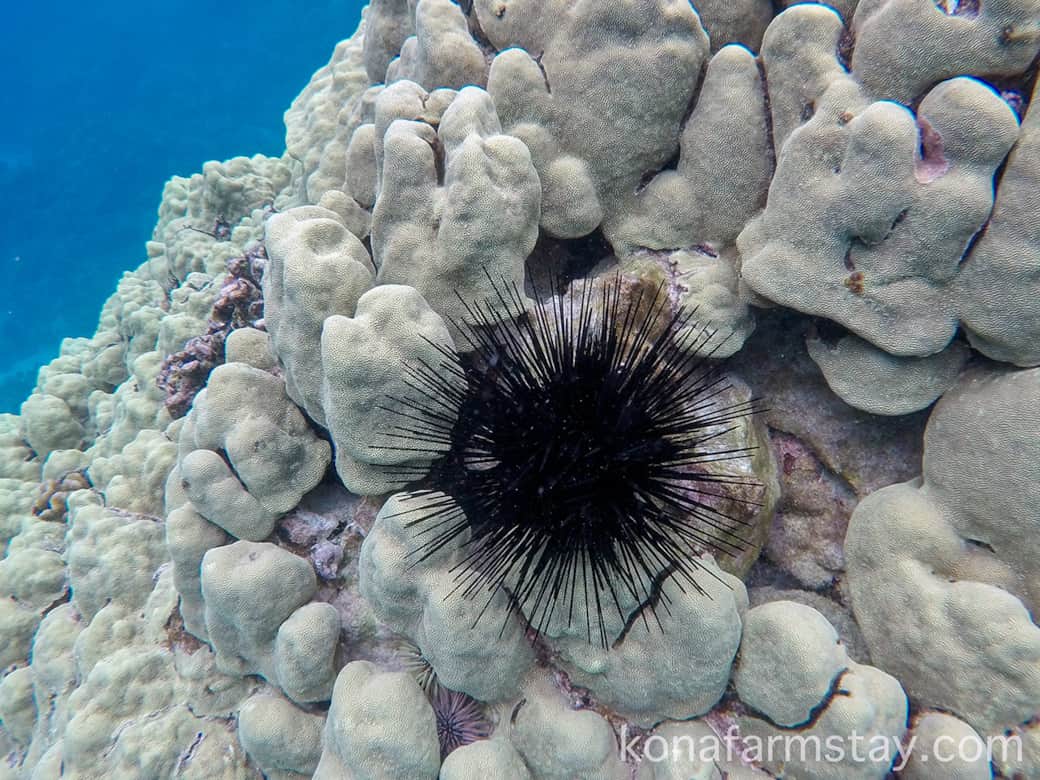
On the Kona side, sea urchins (vauna) can hide in rocky entries, reef pockets, and shallow tide zones. The easiest way to avoid a bad day is simple: move slowly, watch your footing, and don’t step or grab where you can’t clearly see. We usually try to use goggles to look if we are in new territory.
How to be cautious
– Wear water shoes if you’re entering from rocks
– Shuffle and step carefully, especially near reef shelves
– Don’t put hands on rocks for balance in the water
– If it looks too rocky for your comfort, pick a sandy entry spot instead
If you get poked (first steps)
– Rinse the area with clean water
– If spines are visible and shallow, gently remove what you can with clean tweezers
– Soak the area in warm water for pain relief
– Keep it clean and watch for signs of infection
When to get medical help
If there’s increasing redness, swelling, heat, pus, fever, worsening pain, or you can’t remove deep spines, get checked by urgent care.
Helpful official reference