Birdwatching & Wildlife
1. Why birdwatching in Kona is special
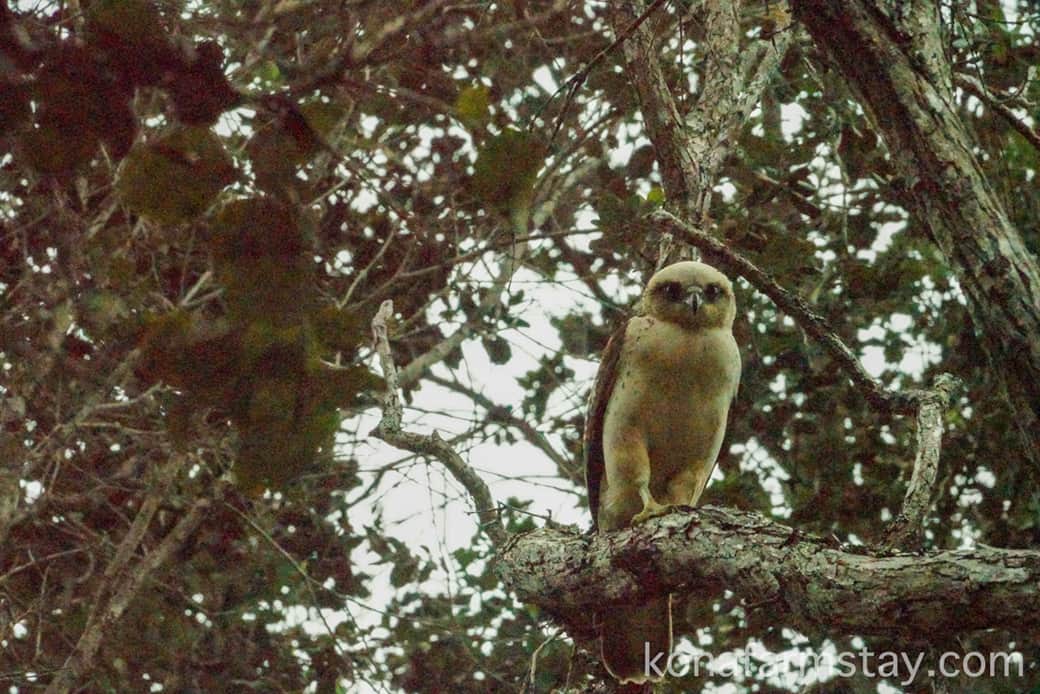
Birding in Hawaiʻi is different than almost anywhere else. The islands are one of the clearest examples of birds adapting in isolation, which is why the native species here feel so distinct. Hawaiʻi also has a big mix of birds that have been brought in from other countries, so the variety can be surprisingly high depending on where you are on the island.
What we like about Kona is the range. You can be near the coast, then climb into cooler elevations where the landscape shifts and the bird life changes with it. And honestly, our favorite “birding” isn’t always walking a trail. It’s finding a quiet place to sit, especially at the house, and just listening. Mornings and late afternoons are sweet spots. The calls, the movement in the trees, the little patterns you start noticing once you stop trying to do anything. It’s peaceful, and one of the best things about being here.
If you want a solid way to plan actual birding stops and see what’s been reported around the island, Hawaiʻi Birding Trails is the clean reference for spots, maps, and species info.
2. Bird Watching from the Lanai
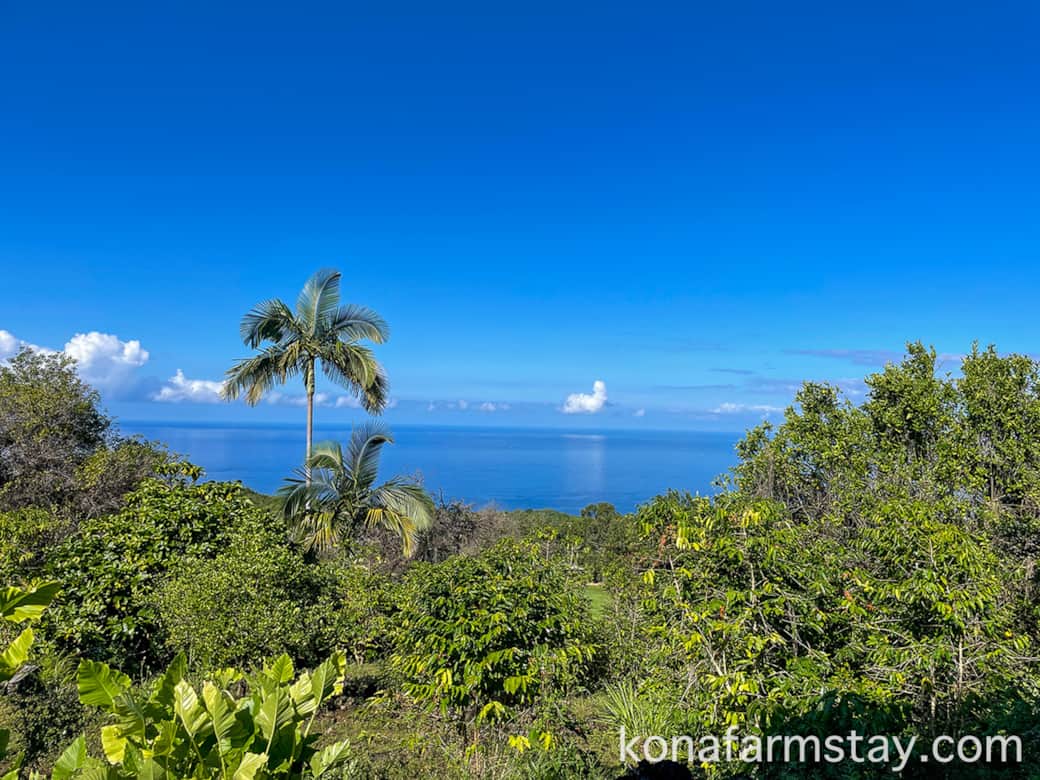
Sometimes the best birding is the lazy kind. A good view and a quiet seat go a long way. From the house, it’s easy to hear the day start up and catch movement in the trees without going anywhere.
If you’re into tracking, make it more interesting by choosing to observe from a specific spot and check it at the same time a few mornings in a row. Even a quick look starts to show who’s around, who’s passing through, and what time certain birds tend to light up.
4. Best nearby spots
Kaloko-Honokōhau National Historical Park (ʻAimakapā Fishpond)
This is one of the most reliable places nearby to see a lot of birdlife in one stop. The fishpond and wetland habitat draw a surprising mix, including birds that winter here after traveling long distances, plus shoreline birds along the coast.
Makāula–ʻOʻoma Trails (Honuaʻula Forest Reserve)
When I want a cooler, greener change from the coast, this is the one. It’s a cloud-forest-style trail network through ʻōhiʻan and hāpuʻu tree ferns, and it feels like a totally different side of Kona.
This area is classic dry-forest Kona. The Birding Trails guide calls out the diverse dry ʻōhiʻa forest, and it’s a great place to pick up a mix of native and introduced birds in one walk.
If you’re into seabirds, Keāhole is a good “no-hike” option. It’s a rocky point where you can watch the coastline and scan for shorebirds and seabirds without needing to get in the water.
Open Ocean (boat-based birding)
This is the “if you’re already going out on a boat” category. Offshore Kona can be great for seabirds, and the guide frames it simply: where there’s fish, there are seabirds.
5. What you might see
Hawaiʻi birding is a mix of habitats, and what you see depends a lot on where you spend your time.
Wetlands and shoreline
Wetland edges, fishponds, and rocky shoreline can be productive, especially for waterbirds and seasonal shorebirds. Depending on the time of year, you may see Hawaiian Stilts and Hawaiian Coots, along with visiting species like plovers, turnstones, tattlers, and sandpipers.
Introduced songbirds
Around farms, neighborhoods, and lower elevations, you’ll see plenty of introduced passerines. They make up a big part of the everyday soundtrack, especially in residential and agricultural areas.
Forest birds
Forest birding is more location-dependent. Elevation and habitat matter, and it’s worth using official hotspot guidance to choose the right trail or reserve for the species you’re hoping to see.