Kona Coffee Country & Farming
1. The Home Overlooks Coffee Land
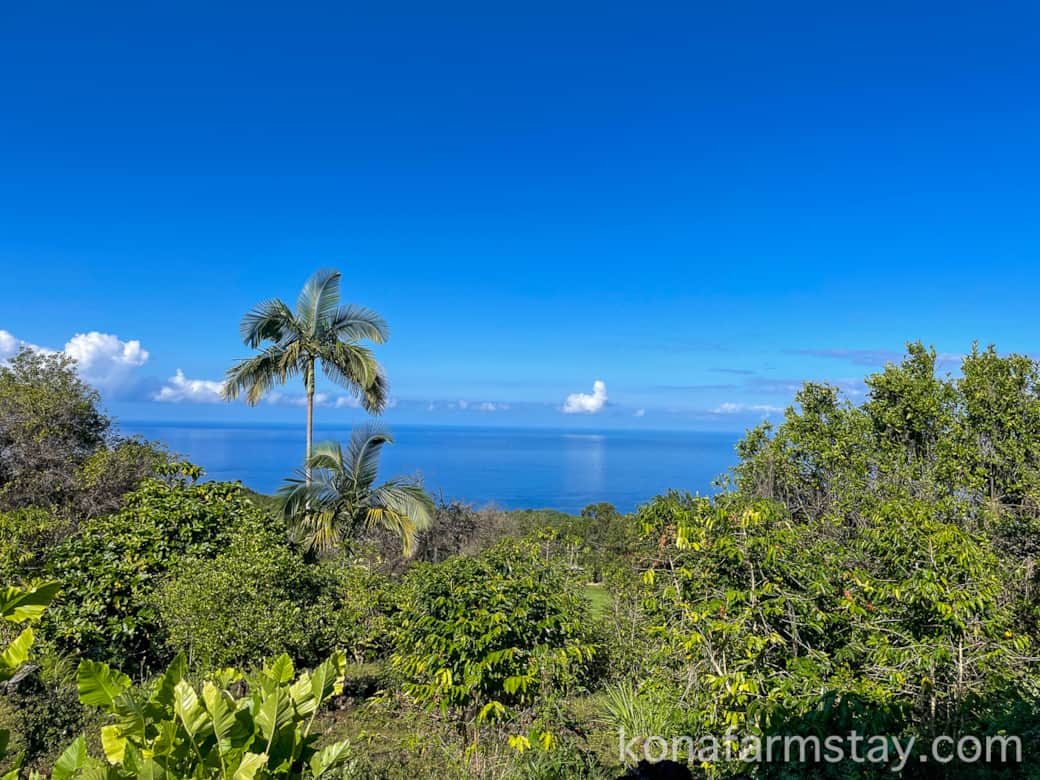
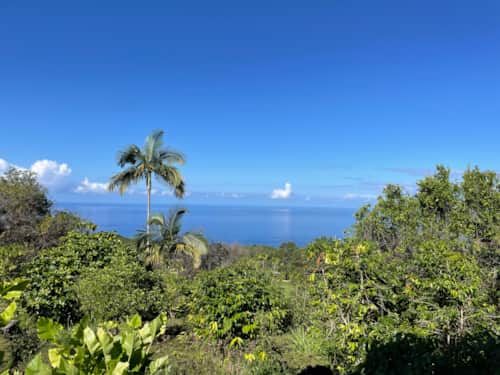
You’re staying in the Kona Coffee Belt, a narrow growing region on the west side of Hawaiʻi Island where coffee does especially well because of the combination of volcanic soil, elevation, and a consistent pattern of sunny mornings followed by cloud cover and light afternoon rain.
Our place sits on land that was part of that farming story. It was an older coffee farm site, and before it changed hands, it was cared for by a local Japanese-Hawaiian family who was ready to step away from farming. Today, you’ll still feel that “upcountry Kona” setting all around you, even though the house is set up for a comfortable home stay.
If you want to go a little deeper into the region’s coffee history and why this belt became famous, the Kona Coffee Cultural Festival timeline is a fantastic overview.
2.Quick Kona Coffee History
Kona coffee didn’t become famous because it was easy. It became famous because the people here kept growing it when the economics were brutal, and the only way it worked was by staying small, staying consistent, and caring about quality. Over time, Kona shifted away from plantation-style production and became a region defined by family-scale farms, especially after market crashes and industry changes pushed coffee into smaller parcels and long-term local stewardship.
If you want the most vivid, grounded snapshot of what everyday Kona coffee life looked like, the Kona Coffee Living History Farm is the best lens. It’s a living-history site run by Kona Historical Society that focuses on early 20th-century Kona coffee farming life, brought to life through the farm, the mill, and the household rhythm.
3. The Kona Coffee Calendar
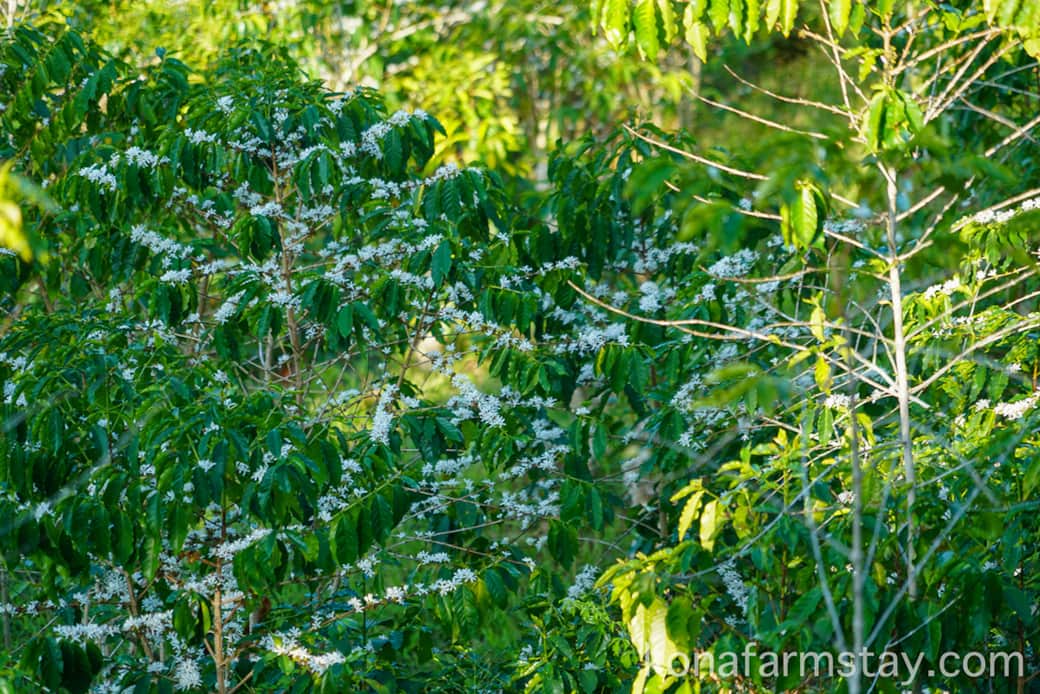
Coffee has a real rhythm in Kona, and you can feel it on the hillsides if you’re here at the right time. The timing shifts a bit year to year, but the pattern stays fairly consistent.
Flowering “Kona snow”
The white blossoms show up after a dry stretch followed by rain. Kona Coffee Farmers Association notes that coffee often blooms about 8–10 days after rain (or irrigation) when it’s been preceded by a dry period. Those blossom bursts are what people call “Kona snow.”
If you’re trying to catch the classic look, February and March are commonly when people see the main bloom, with timing influenced by weather and elevation.
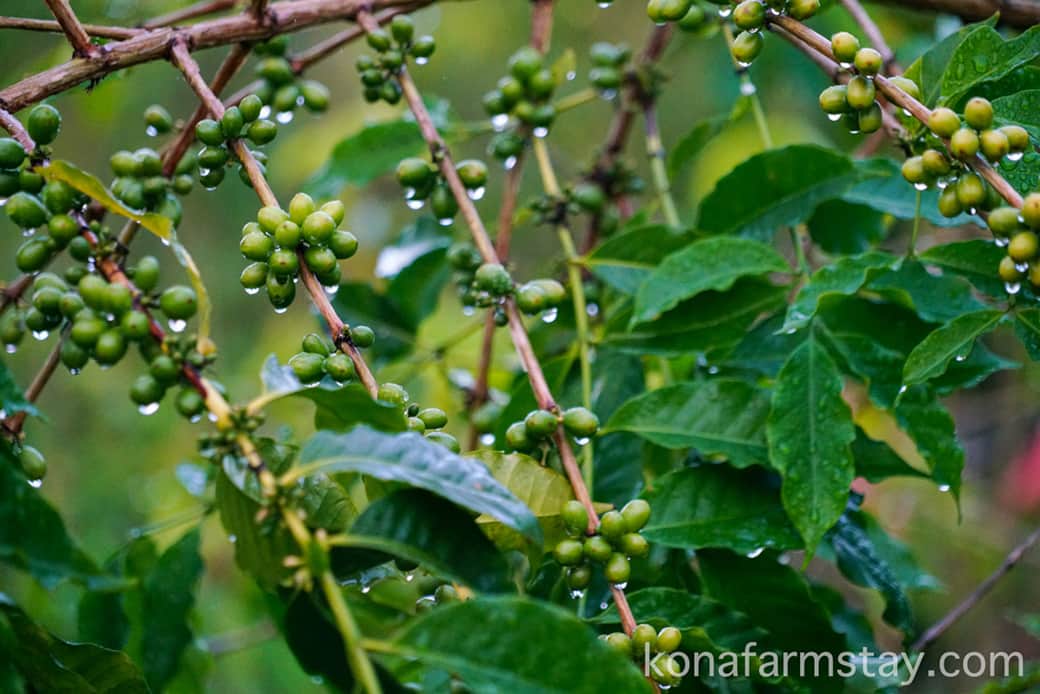
Green berries
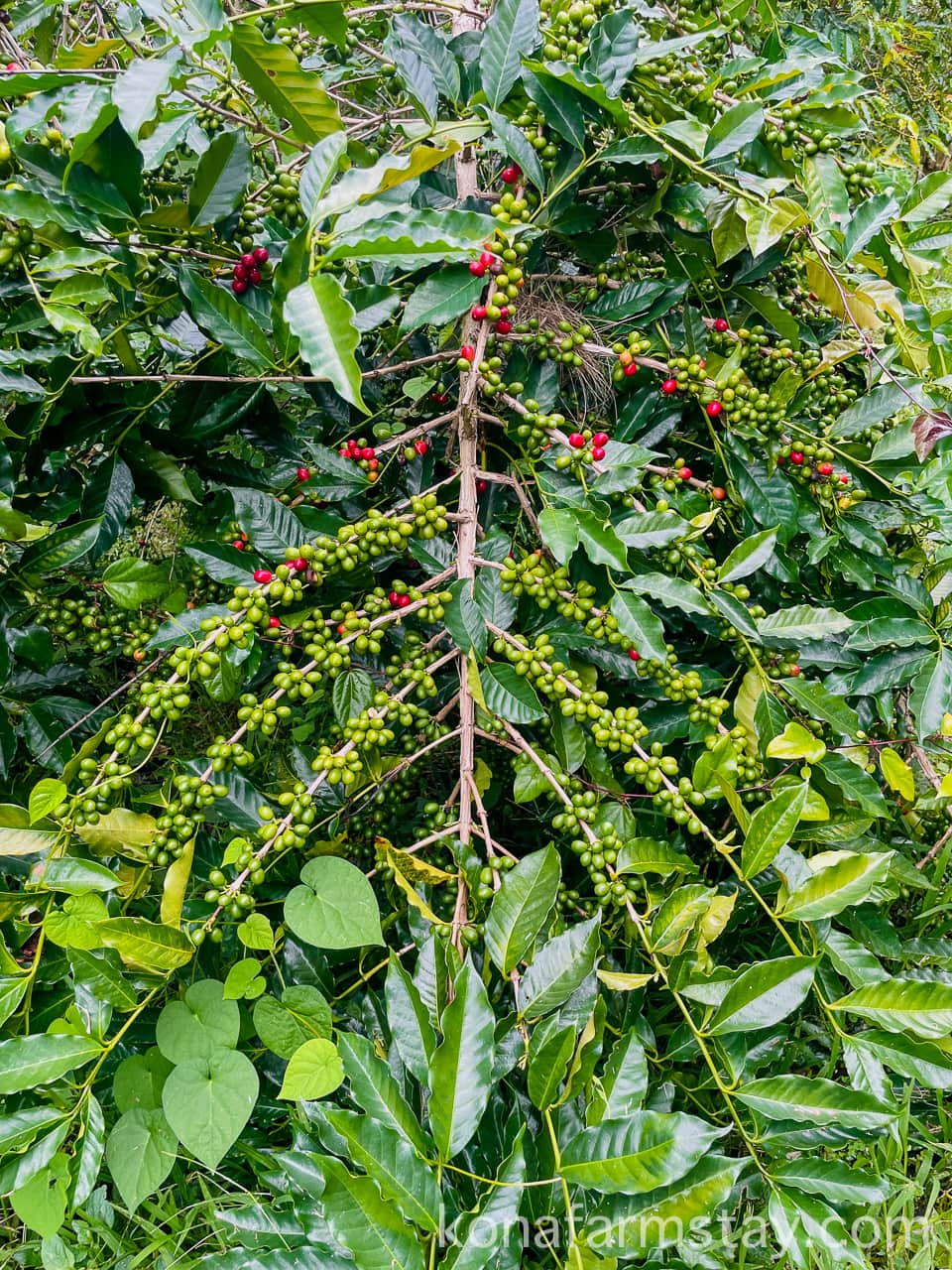
After the blossoms drop, small green cherries form and size up through spring and early summer.
Ripening + harvest
Cherries don’t all ripen at once, so farms pick in multiple passes. Harvest in Kona is commonly described as starting around late summer and running into winter, with a lot of picking happening roughly August through December (and sometimes stretching later depending on elevation and the year).
Roasting season
As harvest ramps up, more coffee is being processed and roasted around the district. It’s one of those subtle Kona things: certain days you’ll catch that warm, toasty roast smell drifting through town or upcountry.
5.Big Island Coffee Experiences
Kona Coffee Living History Farm
This is the “history + daily life” lens. It’s run by Kona Historical Society and walks you through what early 20th-century Kona coffee farming looked like, with the farm and household side of the story.
A classic, well-run “seed to cup” tour where you can see how coffee moves from farm to processing to roasting, plus tasting at the end.
A unique approach to coffee farming: trellised coffee grown more like a vineyard, with tours built around that technique and the full process.
Low-key, personal, and very “working farm.” They’re explicit that the farm isn’t about neat rows, and they show the process on-site from fruit to roast, with tastings.
A small certified organic farm tour that’s coffee plus a mix of other tropical crops, with tastings after on their lanai.
A hands-on, family-friendly farm tour with a regenerative farming angle, more about the land and food system than a polished tasting room vibe.
If your trip lines up, this is the big seasonal “Kona coffee is happening” moment, with events built around Kona coffee heritage, farms, and community.
6. About Our Land
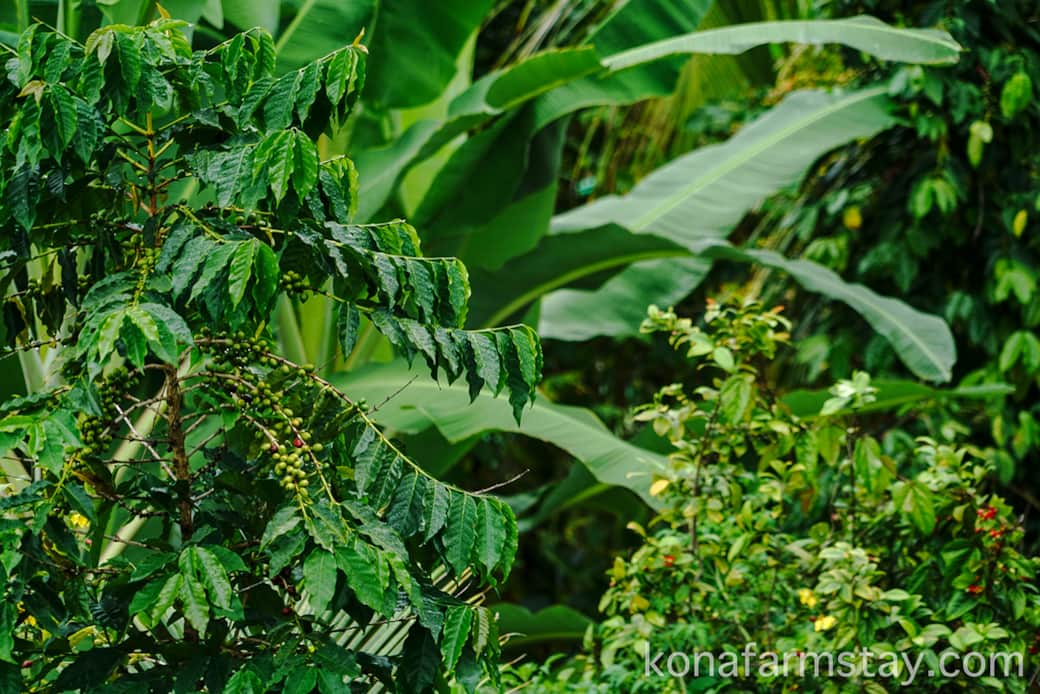
Our home sits in North Kona’s coffee belt, where coffee has shaped the land for nearly two centuries. Kona coffee’s origin story starts with missionary Samuel Ruggles, who planted the first coffee in Kona in 1828 or 1829.
A quick Kona coffee timeline
1828/1829: First coffee planted in Kona by Samuel Ruggles.
Early 1900s: Kona coffee becomes deeply tied to small family farms, including Japanese immigrant families who helped define the district’s farming life and coffee legacy.
Our property’s farming story
Our place is an older Kona coffee farm property in North Kona, part of the historic agricultural landscape that shaped this district over generations.
Why guests can’t tour the farm right now
We love the curiosity about the land. At the moment, the farm areas are not set up for safe guest access, so guests stay on the paved areas around the home. We hope to make a safer way to share more of the land experience in the future.
The best part
Even without walking the fields, you’re right in the heart of Kona coffee country. In season, the coffee belt has a signature feel and scent that coffee lovers notice immediately—especially when blossoms pop after rains and the district is in full agricultural rhythm.