Mauna Kea Sunset and Stargazing Guide
1. Why Mauna Kea is world-famous for stargazing
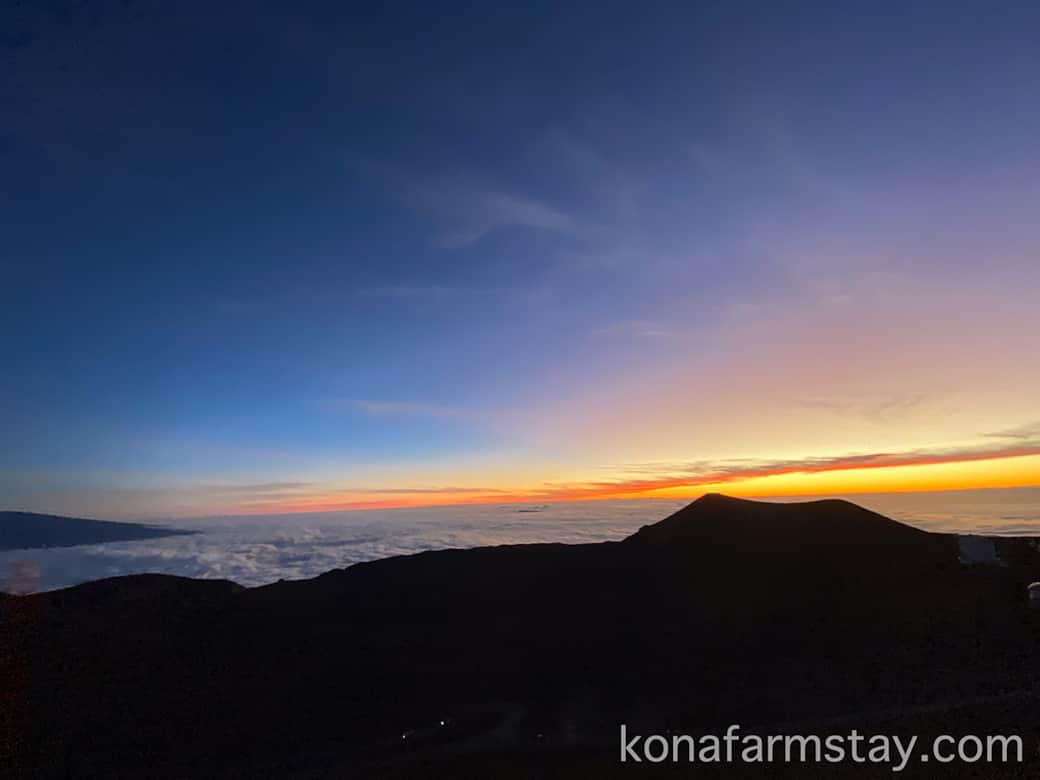
Mauna Kea is a big deal for astronomy because the conditions up there are unusually good. The summit sits around 13,796 ft (4,205 m), so you’re above a large chunk of the atmosphere that normally blurs and dims the view.
The air is also very dry and often above the cloud layer, which matters a lot for seeing clearly and for infrared/submillimeter observing. That combination (high altitude + dry air + lots of clear nights) is a big reason so many major observatories are up there.
And then there’s the “middle of the Pacific” factor. With less light pollution than most places and very stable air on many nights, Mauna Kea ends up being one of the best ground-based observing sites in the world.
2. Sunset options
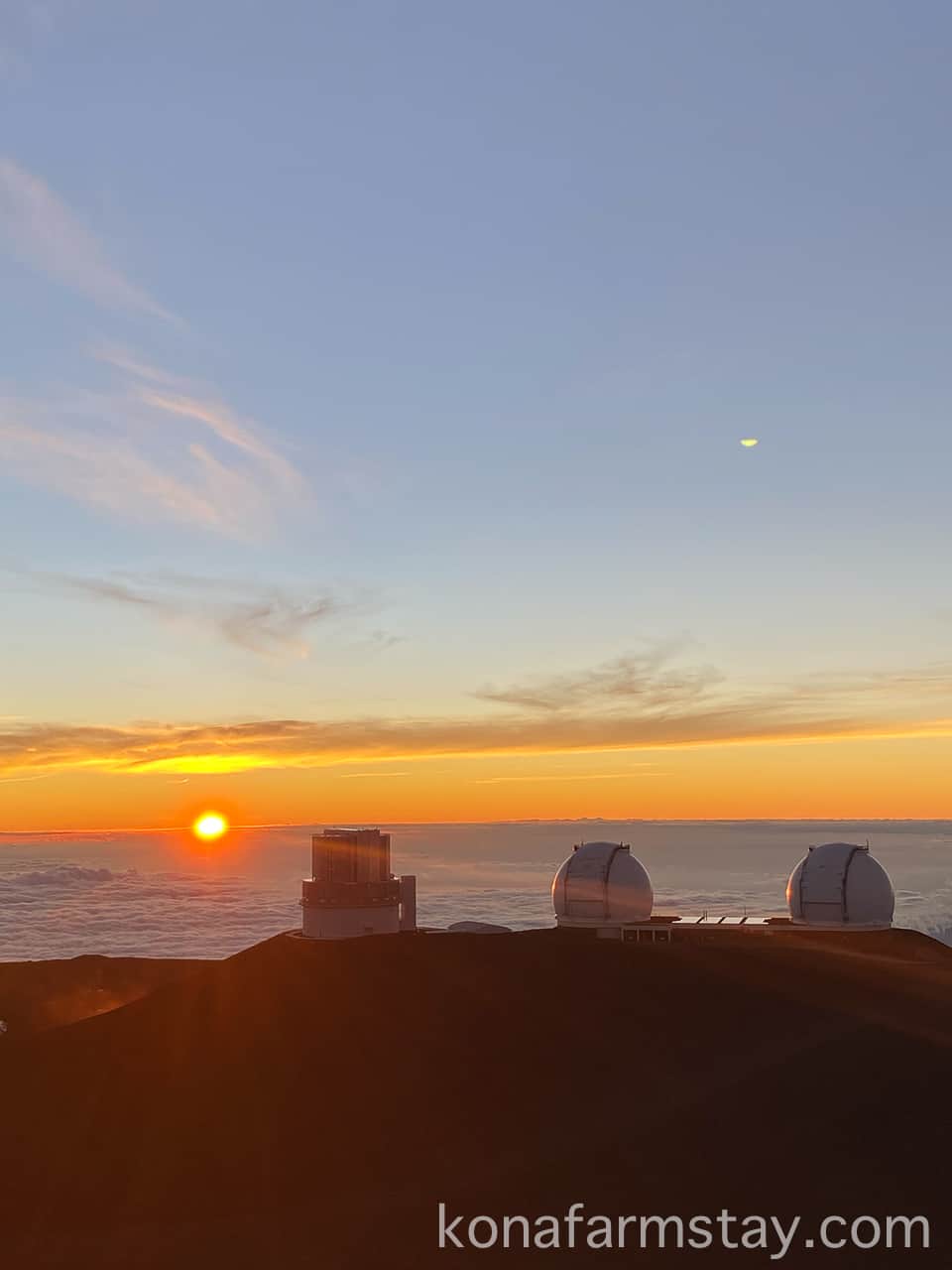
There are two main “sunset” experiences on Mauna Kea.
Option 1: Visitor Information Station (VIS)
The VIS sits at about 9,200 ft, and it’s the common gathering spot for sunset and night-sky programs. It’s high enough that you can sometimes be above the clouds, and you still get that huge horizon and color shift as the sun drops.
Option 2: Summit (more logistics)
If you go all the way up, you’re at the summit level with the observatories nearby. Access beyond the VIS is restricted to 4-wheel drive, and the summit access hours run from 30 minutes before sunrise to 30 minutes after sunset.
3. Safety and acclimatization
Even if you feel totally fine at sea level, altitude can hit differently up there. A smart rule is to treat the VIS as your “checkpoint” before deciding whether to go higher. The University of Hawaiʻi visitor guidance specifically notes that children under 13 should not go above the VIS, and the same goes for pregnant visitors and people in poor health, due to altitude sickness risk.
If anyone in your group starts feeling off (headache, nausea, dizziness), keep it simple: stay lower and call it a win.
4. What to wear and bring
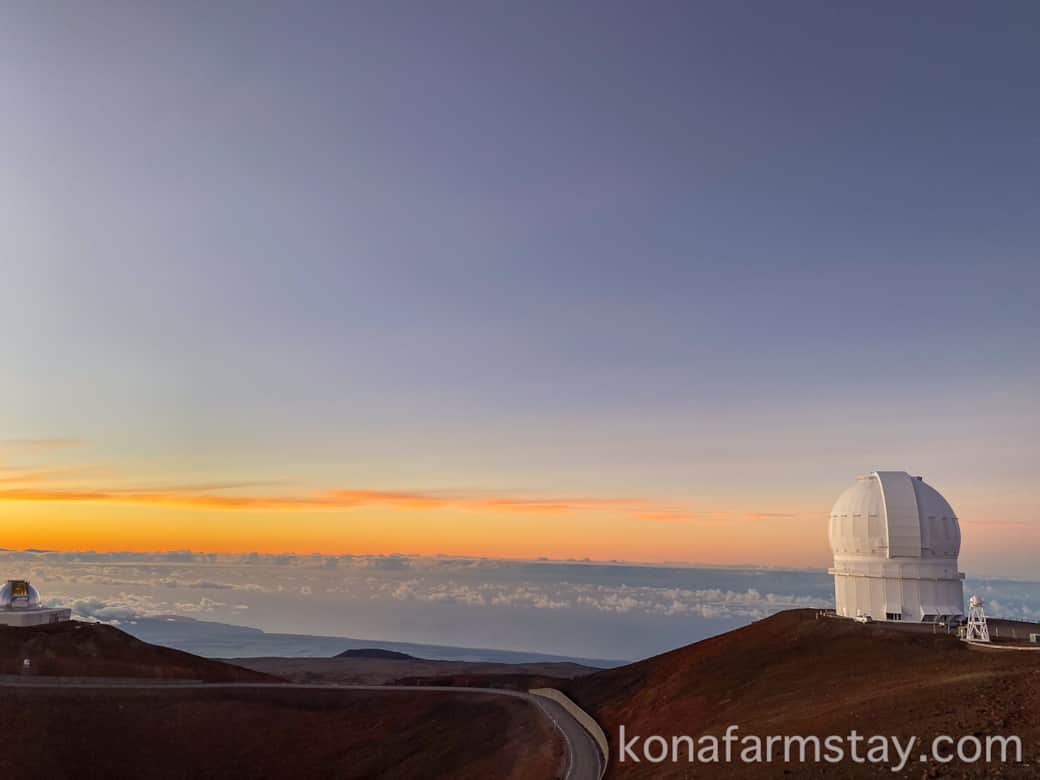
Mauna Kea can feel like a different planet temperature-wise. Even when Kona is warm, the upper mountain is cold, windy, and very dry. At the summit elevation, there’s also significantly less oxygen than at sea level, so the cold and the altitude can hit people faster than they expect.
Think winter, wear layers (something warm underneath, something that blocks wind on top), plus long pants and closed-toe shoes. Gloves and a beanie are the small items that end up feeling surprisingly valuable after sunset.
If you want the official, up-to-date version of all of this in one place, then click here.
5. Altitude and health notes
Mauna Kea is high enough that altitude becomes part of the experience. The Visitor Information Station is at about 9,200 feet, and the summit is close to 14,000 feet. At those elevations the air is thinner, and some people notice it right away while others don’t, even on the same day. Headache, lightheadedness, nausea, and shortness of breath are the common early signs that the altitude is affecting you.
A few groups are called out specifically in the official guidance as higher risk for altitude issues above the Visitor Information Station, including pregnant women, people in poor health, and children under 13.
6. Rental car reality
If you plan to drive above the VIS, the road gets steep, rough, and partially unpaved. The University of Hawaiʻi VIS guidance says drivers are required to use a 4-wheel drive vehicle above the VIS, and to use 4WD Low Range to reduce brake failure/overheating on the way down.
Also: have at least half a tank of gas before continuing upward.
7. The “drive down” experience
After the sky show, the ride down is its own experience. The air warms up, the lights of town slowly reappear, and the stars can feel even brighter for a while because your eyes are already adjusted.
A few things that make it smoother:
-
Take it slow. This isn’t the place to rush.
-
Give your brakes a break. If you drove above the Visitor Information Station, use the correct gearing and go easy on the pedal. (This is one of the main safety issues on the mountain.)
-
Choose safe pullouts only. If you want to stop for a last look at the stars, use designated areas and keep the roadside vibe calm and simple.
-
Expect the temperature shift. It can feel like you went through multiple seasons in one night.
It’s a good ending: quiet, spacious, and a little surreal.